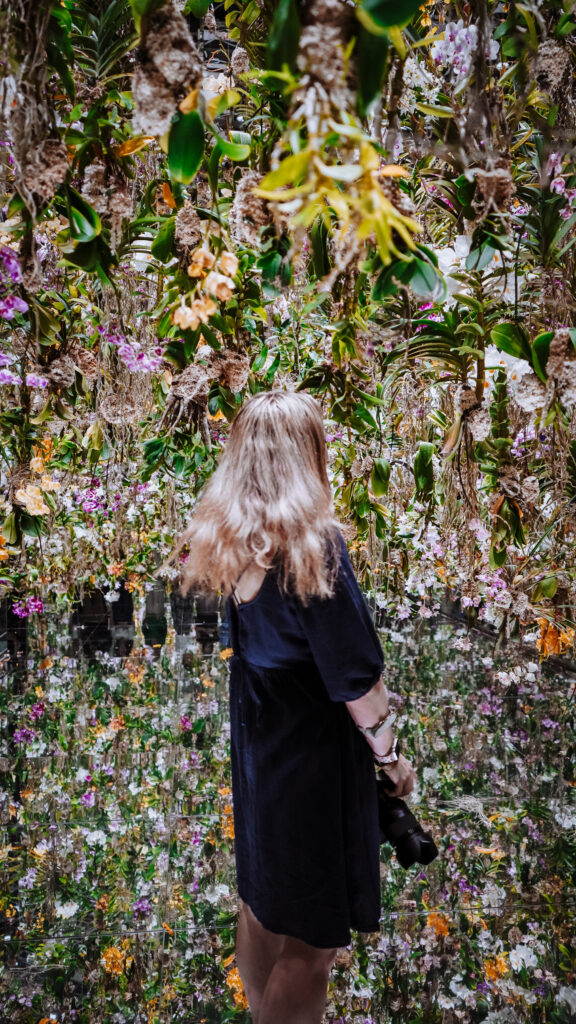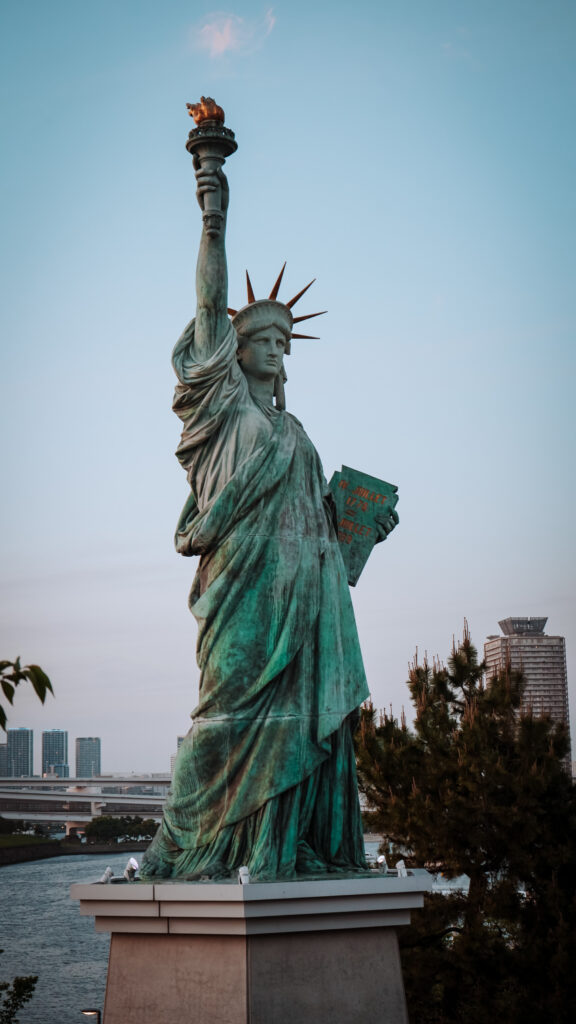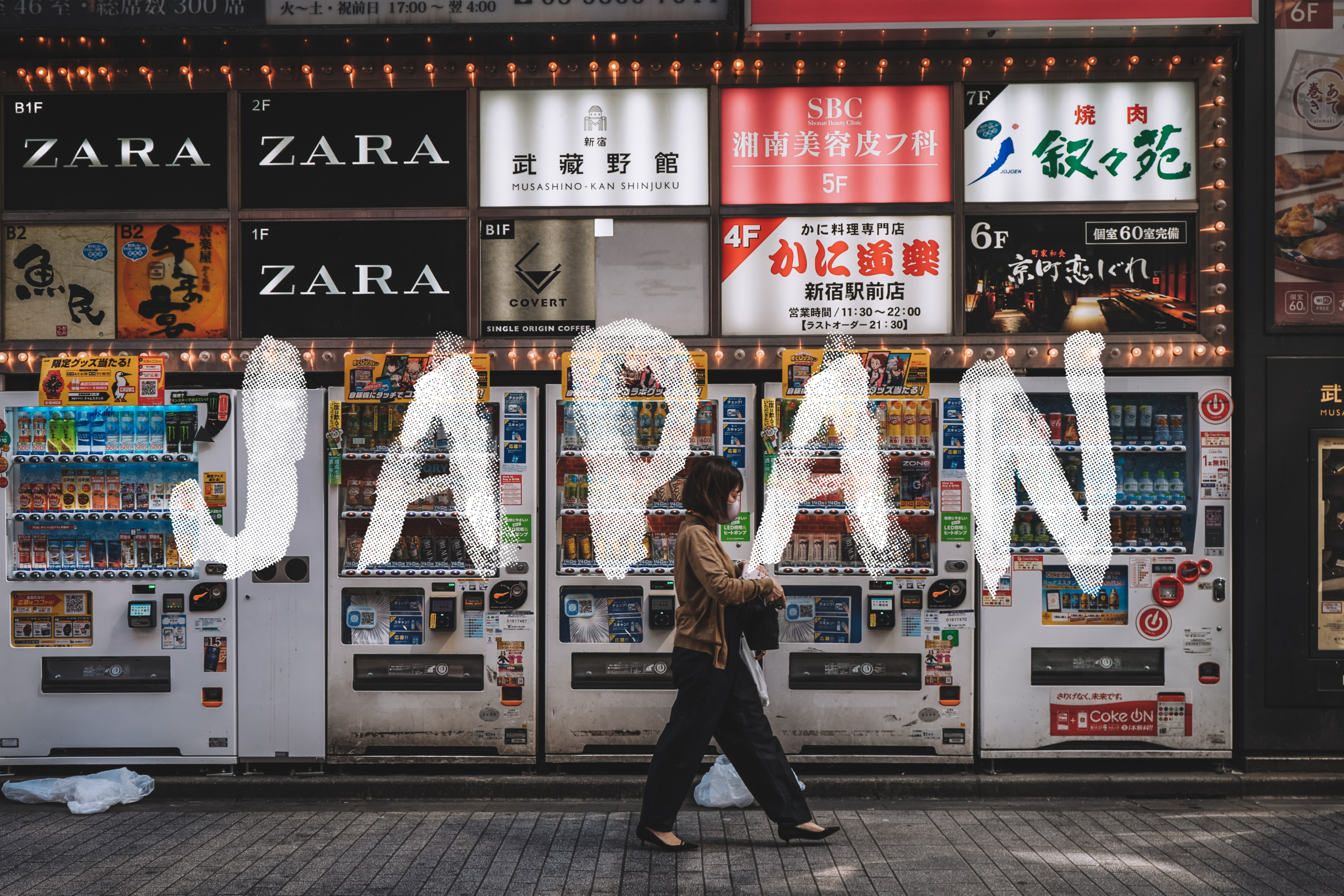
We just got back from the best trip of our lives so far! Japan has been at the top of our wish list for quite some time, and at the beginning of May, it was finally time to make this huge dream come true. Since we know how various articles and discussions have helped us prepare, it’s time to do a favor and write down our own experiences.
Where to buy your flight tickets?
We decided to go to Japan very spontaneously. As usual, we browsed our favorite websites (discount flights section), which we do quite often, and return tickets to Tokyo for 550 USD could not be left unnoticed. Although they were from Budapest… with the not-so-famous airline Air China, but for the price .. 🙂
If you are from Europe, tickets are often for good prices from Budapest or Vienna. We are from Prague, and Prague Airport is, as in most cases, the most expensive, tickets here are difficult to get below 1100 USD. Another alternative destination for cheap flights from where you can get to Tokyo is Munich. The advantage of Air China is the possibility to have 2 checked bags with a total weight of 46 kg. We went purely with an 8 kg backpack, but in case you get a shopping spree, you don’t have to worry.
Weather in Japan
We would describe the weather in Japan in two words: changeable and unpredictable. One day there’s a huge wind blowing with rain and the next you’re sweating in your shorts and looking for an ice cream. However, we were there, at least in our opinion, at the best possible time. And this is right after the end of the Golden Week holiday, May 5. The rainy April days are slowly coming to an end and the temperature hovers around a pleasant 25 degrees Celsius. We encountered a few rainy days during our travels, but those are just a part of Japan, especially if you go to the mountains.
The ideal time may vary according to your activities, if you are going to Japan primarily for the cherry blossoms, then the ideal time is the end of March/beginning of April. However, expect huge crowds at tourist spots, and with the Sakuras doing as they please, their bloom period can be delayed by up to 14 days.
Autumn, which lasts until November and chooses a new palette of colors, is a great time of year. Peaceful gardens and parks are enveloped in shades of red, orange, and gold.
We would not go to Japan in the summer, at least in our opinion. But if you are a fan of saunas, mild masochism, and burnt skin, nothing is stopping you 🙂
How to move around Japan
Japan, although it doesn’t seem like it at first glance, is a huge country. However, it is interwoven with a giant public transport network. Since we can’t sit still for a moment and the concept of vacation = as many experiences as possible, up to the point of exhausting the body, the JR pass was an obvious choice for us.
What is JR pass ?
In simple terms, it offers you unlimited travel for the train network of JR lines that will take you to all the major cities on the big islands. If you plan to travel by bullet trains and be in a different place every 3 days/plan a day trip outside the hotel every day, the JR pass is worth it. However, if your itinerary revolves around Tokyo, it will be more convenient for you to always buy a ticket or limit the pass to a certain region.
If you are thinking of getting an all-Japan pass, the price of the JR pass is not cheap at all, for a week it will cost you 50,000 yen (340 USD), for 14 days it will cost you 80,000 yen (550 USD) and for 21 days it will cost you 100,000 yen (680 USD). We took the 14-day option and it paid off for us, as Shinkansens are not cheap. You can have the JR pass sent to an address of your choice, but we recommend picking it up directly at the office, where they will show you how to use it.
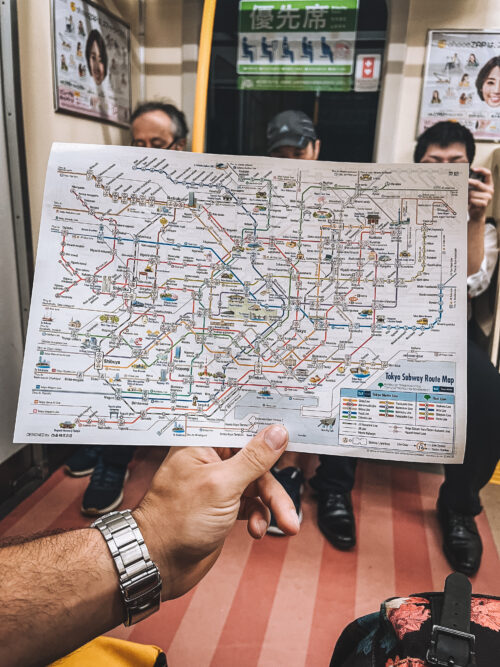
Larger cities have their integrated transport, you can often buy a single or multi-day metro or bus pass. At all train and metro stations, there are turnstiles through which you must pass the ticket. The same on output. If you leave the zone of validity of the ticket, the turnstile will not let you leave and you will have to pay the price difference either at the Fare adjustment machine or at the information window, the Japanese are always happy to help you.
It’s a little different with buses, you always get on through the middle door and you show your bus pass to the driver while exiting. If you don’t have a bus pass, and you want to pay for a single ticket. You get a little flyer from a machine next to the middle door. This ticket shows where you boarded and calculates the fare when you leave. In Japan, you pay for tickets according to the distance traveled and not by time. The money is not given to the driver but thrown into the machine at the exit (front) door.
If you intend to go to the more remote parts of Japan, definitely consider renting a car. Fuel is cheaper than in Europe. We just have to point out that in Japan they drive on the opposite side. So you’ll have to get used to it.
If the distance of your trip is longer, it is quite likely that airplane tickets will cost you less than the Shinkansen, consider this option as well.

Money in Japan
Japan is a very interesting country, in some ways, it is technologically 30 years ahead of everyone else.. on the other hand, they still use fax and you cannot pay by card in many restaurants or public transport stations. You can withdraw money from ATMs that you can find, for example, at the 7/11 grocery chain or change at local exchange offices, but these are not everywhere. One of the best exchange rates is at the airport.
Cards are accepted in all supermarkets, fast food restaurants, and shopping centers. We can recommend the services of the REVOLUT card, which has the best rate without any hidden fees.
Tip: During your stay in Japan, your wallet will turn into a small chest full of coins. Ideally, take a coin wallet with you to keep change.
Japan visas
Citizens from most European countries, United States, Australia, and Argentina do not need to get a Japan Tourist Visa since they are considered visa-exempt countries for tourism purposes.
In Japan, it is mandatory to carry your passport with you at all times, subject to a $640 fine.
Prices in Japan
The prices are surprisingly very acceptable – that is, at least in 2024. Indeed, we’re not picky about accommodation, and we chose it from the cheapest section on Booking.com, but everything was still clean and we didn’t pay more than 32 USD per person per night. We even had accommodation outside the big cities for 15 USD per person per night.
Food in restaurants or light snacks is cheaper than in Western Europe. Great ramen can be bought for around 6 USD, Curry or Tonkatsu for as little as 5 USD. A trio of Family Mart, Lawson, and 7/11 minimarkets, which you can find at every turn, are a great form of fast food. They offer fresh sandwiches, great coffee, either iced or hot, fresh smoothies, great fried chicken, corndogs, sushi, onigiri. ice creams… in short, everything you want and at a great price. Also, we walked 20 km every day, otherwise we would have to loosen our belts from our “tasting” of local specialties.
The most expensive item is the transport, in 20 days we paid approximately 700 USD for transport per person. However, if you intend to cross over sporadically and stay mostly in the same places, this biggest expense will be avoided.
What are the Japanese like?
Respectful, considerate, accommodating, helpful, traditional… Japanese people could be described with a thousand superlatives and we would still forget a few. We are always happy to assess and compare the various criteria of the given country upon arrival back. We would rank the Japanese first in terms of people. We simply miss their bows, enthusiasm, and willingness.
Don’ts in Japan
The Japanese are incredibly tolerant people, but let’s do everything we can so that they are not annoyed by foreign travelers. In Japan, people follow the rules, everywhere. Don’t run a red light anywhere, even if you can’t see cars within 100 meters. Please don’t be noisy on public transport, they hate it.
There is a special announcement on the trains so that you go to the last carriage when making phone calls to not disturb others. In Japan, it is extremely rude to blow your nose in public. Money is given and received with both hands – if you follow this, you will pleasantly surprise everyone. Do not stick your chopsticks into the food. It is extremely impolite to smoke in public spaces – There are special smoking rooms in Japan. It is also impolite to eat on the way. Enjoy your meal somewhere on a bench. Tips are not given in Japan, they will refund you to the last yen.
Internet in Japan
You can buy a SIM card from one of the local internet providers at the airport. We bought 15 GB of data through Airalo, which was enough for us for the entire duration of our stay. Enter code MICHAE9173 to get a $3 credit. Download the application here.
Portable wifi stations are also very popular, you plug them into the charging connector and you can start scrolling. There is not much free Wi-Fi in Japan, and it often sucks even at your accommodation. You can find wifi on the fast trains, but it is often slow. You need data in Japan, not only for transportation but also for a translator that you will use every minute. Don’t skimp on data.
Must eat in Japan
Takoyaki is a ball-shaped Japanese snack made from wheat flour-based dough and cooked in a specially shaped pan. It is usually filled with minced or sliced squid, tempura, pickled ginger, and green onions.
Okonomiyaki is a savory pancake dish consisting of wheat flour batter and other ingredients cooked on a teppan. Common additions include cabbage, meat, and seafood.
Sushi, loved by all, is the best in Japan.
Ramen, a classic broth noodle soup. It is traditionally served with pork.
Japanese pancakes are a magical combination of fluffiness, softness, and creaminess. The ideal combination is sugar sprinkles with matcha ice cream.
Mochi, the best they have warm in Nara city / or ice cream style at Family Mart supermarket.
Tonkatsu is a Japanese dish that consists of a breaded, deep-fried pork cutlet.
Kobe, Wagyu, delicious meat, prized for its flavor, tenderness, and fat, well-marbled texture. The local cows are massaged daily and occasionally have a beer too.
Onigiri, rice balls filled with everything from shrimp to pickled plums to tuna with mayonnaise.
Tokyo has the most Michelin restaurants of any city in the world, and it’s for a simple reason, because their culture strives for perfection, in absolutely everything. For example, do you want the best pizza? Japan… We had a delicious one with bacon, truffles, and shimeji mushrooms. The Japanese do it all!
Japan on your own
Japan on its own? Going to Japan with a travel agency is a waste of time, money, and potential. It is extremely safe in Japan, we have seen 6-year-olds go to school alone. Japanese people are willing and helpful, so whenever you are lost, they will help you. Using Google Maps you can get practically anywhere, everything is simply marked. Japan is currently overrun with tourists, mostly from China, and it will get worse. So the best time to visit is now.
If you want to enjoy a bit of Japanese peace, you will have to get up early, and you simply cannot do that with a travel group of 30 people. We will be happy to make a tailor-made itinerary for you.
Approximate cost of 2 weeks in Japan
Return flight tickets from Budapest: 550 USD
Costs of transportation in Japan (JR pass, city day passes, buses, subways…): 680 USD
Accommodation: 330 USD for 15 nights
If you have any questions that were not answered in the article, please do not hesitate to send us a message. We will be happy to help you :-).